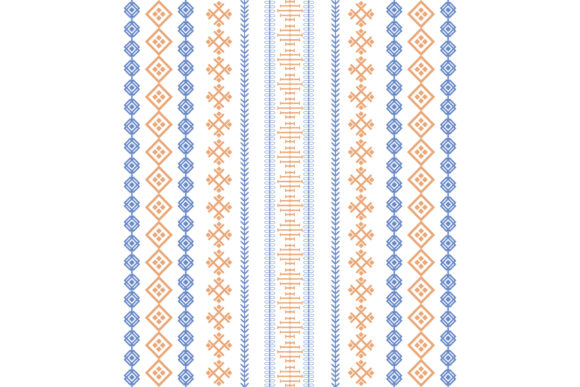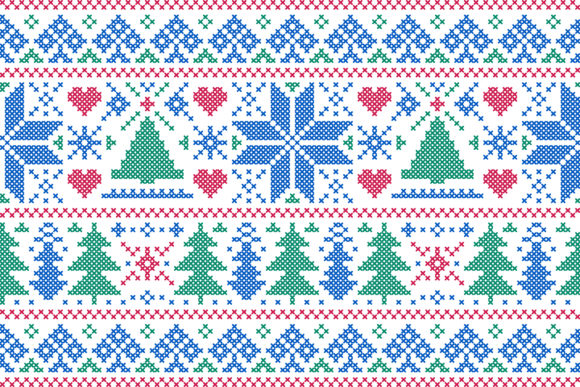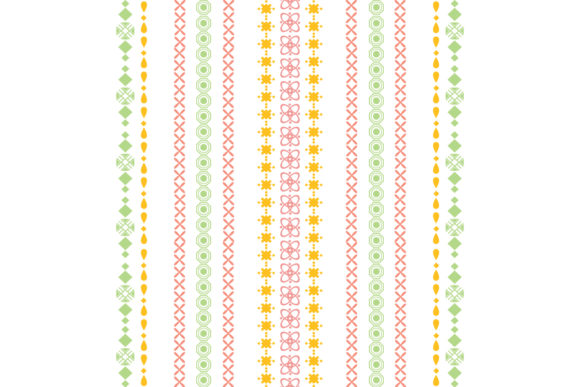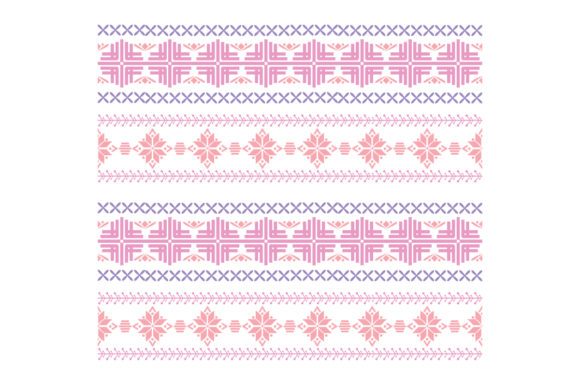
A Deep Dive into The Beautiful Art Style Embroidery
As I open this embroidery file and prepare to stitch a sample for our upcoming boutique sweatshirt collection, I immediately feel a sense of possibility. The title The Beautiful Art Style Embroidery isn't merely descriptive; it sets a specific expectation for a design meant to feel artistic and decorative. My role is to evaluate it as a commercial embroidery file, translating that promise into a tangible, premium garment.
First Impression: Mood & Layout
While the description mentions living room decoration, suggesting a certain aesthetic, on apparel this translates to a decorative and artistic mood. The design, being categorized under Patterns and Graphics, likely has a composed, intentional layout rather than a single, isolated motif. It feels curated, like a piece of art you’d display, which is perfect for elevating a simple sweatshirt into a statement piece. For our brand’s audience—small shop owners and creative entrepreneurs—this inherent artistic personality is key. It implies care and craftsmanship before a single stitch is made.
Placement & Application on Boutique Apparel
For the limited sweatshirt drop we’re planning, placement is everything. Let’s walk through realistic scenarios.
Chest Embroidery on Neutral & Dark Sweatshirts
On a classic neutral sweatshirt—heather grey, cream, oatmeal—this design would pop as a focal point. Its “art style” suggests detail, which would create beautiful contrast against a muted fabric. On a dark sweatshirt, like charcoal or black, the thread color choice becomes critical. We must ensure the selected palette has enough light values to maintain readability and that “beautiful” aesthetic. The stitch density needs to be solid enough to prevent the dark fabric from showing through and dulling the colors.
Oversized Hoodies & Seasonal Cozy Apparel
An oversized hoodie offers a larger canvas. This could allow for a slightly larger hoop size, giving the design room to breathe and showcase its intricacies. On pastel-colored sweatshirts—soft pink, mint, lavender—the design would likely lean into a feminine and cute vibe, perfect for a spring collection. For autumn, on richer tones like burnt orange or deep green, it could shift to feel more rustic and warm. This versatility is a huge asset for a small brand running multiple seasonal drops.
Beyond the Chest: Sleeves & Back Designs
The nature of a Pattern/Graphics file often means it could be adapted. A smaller segment might work as a striking sleeve accent, near the cuff or shoulder. For a bold, premium feel, a larger version on the back of a sweatshirt could be stunning. This transforms the garment into true boutique merchandise, something you’d see in high-end lifestyle product photography. It’s more than a logo; it’s wearable art.
The Designer's Practical Checklist
Moving from vision to production involves some hard questions. Here’s my review from the technician’s stool.
Thread Color & Fabric Texture
The description doesn’t specify a color palette, so that’s our first creative decision. We must choose thread colors that complement our sweatshirt blanks and enhance the “art style.” On textured fleece or brushed cotton, finer details might soften slightly, which can actually add a lovely, soft handmade product feel. On smoother French terry, every stitch will be sharp.
Stitch Density & Stabilizer Choice
For sweatshirt embroidery, especially on the chest, stitch density is paramount. Too dense, and the design becomes stiff and heavy, uncomfortable on a cozy garment. Too light, and it lacks presence and durability. I’ll be testing with a medium-weight cutaway stabilizer to support the fabric without adding bulk, ensuring the finished product remains soft and wearable.
Hooping, Size, & Durability
Without a specified hoop size in the description, we need to analyze the design’s minimum readable scale. Can it be stitched small enough for a classic left-chest placement and still retain its beautiful details? We'll need to run a test at our intended size to check for clarity. Commercial embroidery use means it must withstand washing. Good stitch density and proper stabilization will ensure this design lasts, building buyer trust and protecting our brand’s reputation for quality.
Is It Strong Enough for Commercial Use?
Based on its premise, The Beautiful Art Style Embroidery feels inherently strong. It’s not a minimalist sketch; it’s a composed graphic. This suggests it will have sufficient visual weight and stitch coverage to look professional and intentional on a finished garment. It should photograph beautifully for Etsy listings and mockup previews, clearly communicating value.
Building Brand Identity & Customer Engagement
For a small boutique brand, every design choice is a brand statement. Using this embroidery file does several powerful things.
First, it elevates perceived value. A sweatshirt with a generic print feels mass-produced. A sweatshirt with a detailed, artistic embroidery feels premium, handmade, and special. This directly supports a higher price point and attracts customers looking for unique apparel.
Second, it creates visual recognition. If this design becomes part of your brand’s signature style, customers begin to associate that “art style” with your shop. It becomes a part of your identity, making your custom apparel instantly recognizable in a crowded market like Etsy or Instagram.
Third, it enhances the handmade presentation. In lifestyle photos, the textured dimension of embroidery catches light differently than a flat print. It tells a story of craft and attention to detail, which deeply resonates with the audience of handmade businesses and creative entrepreneurs. It’s not just a product; it’s a piece of their creative community.
Final Notes Before Production
The Beautiful Art Style Embroidery presents a compelling opportunity for a premium sweatshirt collection. Its decorative, artistic mood aligns perfectly with boutique branding. It offers flexibility across garment colors and placements, from subtle chest designs to bold back pieces. From a technical standpoint, paying close attention to thread contrast, stitch density, and stabilizer will ensure a flawless, durable finished product that looks great in photos and feels great to wear.
A crucial reminder: the product description provided is brief. Before any production begins, it is essential to verify the specifics of the digital embroidery file itself. Check the actual stitch count, the included file formats (DST, PES, etc.), the recommended hoop size, and any license terms for commercial embroidery use. These details are the foundation of a successful, smooth launch for your small shop product.
With those boxes checked, this design has the potential to be a standout element in your next apparel drop, turning a simple sweatshirt into a beautiful, artful statement that your customers will love.