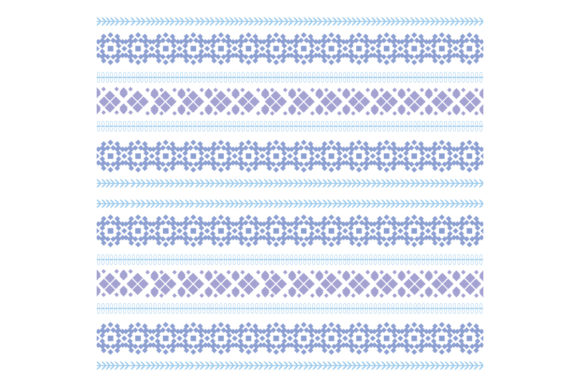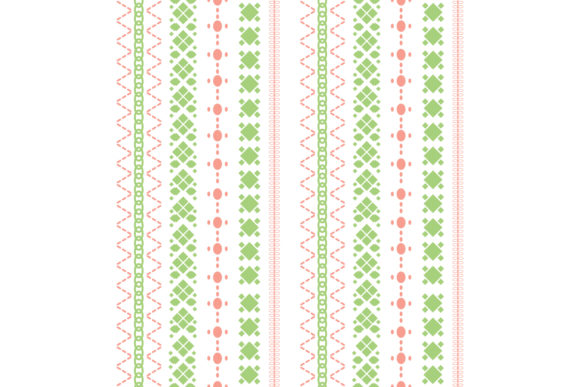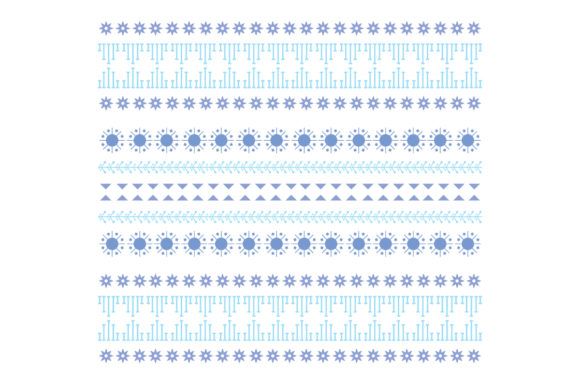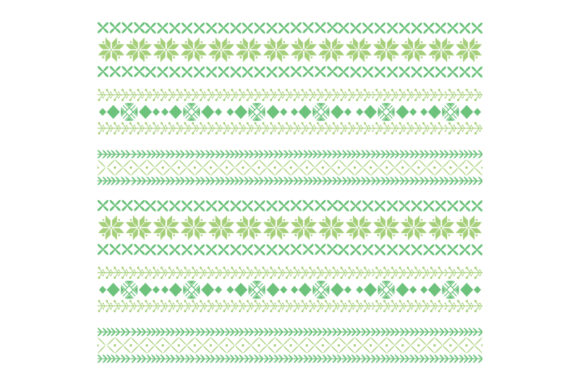
A Designer's Look at Elegant Stitches Embroidery Style
When you’re in the business of creating embroidered goods—whether for a client, your small shop, or a personal gift—the first glimpse of a new design is crucial. It’s not just about whether it’s pretty; it’s about whether it has the right visual personality for a real project. Opening the Embroidery Style files, my immediate impression was one of refined simplicity. This isn’t a loud, overly detailed graphic; it’s a collection that speaks in a calm, polished voice. The shapes feel balanced, the layout is thoughtful, and the detail level suggests it’s meant to be seen, not just to fill space. It creates a mood of understated elegance, which is a valuable niche in a market often crowded with either overly whimsical or starkly modern patterns.
The Natural Habitat for This Design
So, where does this personality fit? In my practice, I mentally place a design onto various products to test its fit. For Elegant Stitches Embroidery Style, I pictured it on a high-quality cotton tote bag first. The design’s character aligned perfectly: it would elevate a simple bag into a boutique product. Then, my thoughts moved to a linen apron, a crisp pillow cover for a wedding gift, or a delicate piece of nursery decor. It naturally belongs to projects where the fabric itself has a bit of inherent quality—think cotton, linen, or a nice blend—and where the end user appreciates subtlety. It wouldn’t scream on a loud party t-shirt, but it would perfectly complement a personalized kitchen towel or a custom-made blanket intended as a cherished gift.
Performance on Real Products: A Practical Walkthrough
Let’s get specific. I recently had a client request a custom embroidered sweatshirt for a boutique opening. Using a design like this, the concern is always stitching clarity on a thicker, textured fabric. The elegance of this style hinges on clean lines and distinct shapes. On a mid-weight sweatshirt, with the right stabilizer, I’d expect the design to hold its form well, adding a touch of sophistication to casual apparel. For baby clothes, the smaller scale items like caps would be a consideration—the design’s details need to remain recognizable even when minimized. As a patch application, it would work beautifully, offering a refined alternative to typical bold, graphic patches.
For Etsy sellers and creative entrepreneurs, this design also functions well as a digital product asset. In printable mockups for your listings, or as a preview for a custom order, its clean aesthetics build customer trust. It looks professional, which translates to the perceived value of your handmade product. A customer browsing for a holiday gift is more likely to engage with a listing that shows a coherent, tasteful design like this, feeling confident it will result in a high-quality finished product.
Where Caution is Needed
No design is universally perfect, and honest review means pointing out the careful fits. The “elegant” quality here likely relies on some finer lines and possibly smaller elements. On very stretchy fabric, like a thin t-shirt, without meticulous stabilization, those elegant lines could distort. On dark fabric backgrounds, the thread color contrast becomes paramount; you’d need to test to ensure the intended elegance isn’t lost in a poor color choice. I’d also be cautious about using it on highly curved surfaces like a baseball cap’s front panel without first testing a section on scrap fabric to see how the design’s layout adapts to the curve.
If the design includes any tiny lettering or very dense fill stitch areas, those would be points to inspect closely in the actual embroidery file. Products destined for frequent washing, like everyday kitchen towels, need a design that can withstand it—so checking the stitch density for durability is a must. The elegance shouldn’t be fragile.
How This Style Lifts Your Project Value
Beyond the stitch itself, a design influences the entire project’s aura. Elegant Stitches Embroidery Style brings a sense of intentional craft. It doesn’t look randomly placed; it looks designed. This boosts the handmade presentation, moving it from “homemade” to “artisan.” For a small business, using such a consistent style across a line of products—tote bags, aprons, pillow covers—builds strong brand consistency. It makes your shop recognizable. For gifts, this design has high giftability; it feels special and considered, which is exactly what a gift recipient hopes for.
Notes From the Workbench
Before you commit this design to a client’s order or a batch of craft fair merchandise, here’s my practical checklist, drawn from routine studio habits:
- Always test on scrap fabric first. Use the same fabric and stabilizer you intend for the final product. This reveals how the satin stitches or running stitches actually behave.
- Check the design in both black and white mockups, and if possible, stitch a sample on a light and a dark fabric scrap. This previews contrast issues.
- Confirm the hoop size requirements. While the product category is Patterns and Graphics, and the type is Graphics, specific details like minimum hoop size are often embedded in the file itself or the designer’s notes. Don’t assume.
- Inspect any small decorative accents. Will they stitch out clearly at your intended size?
- If you are an apparel decorator or digital product seller planning to use this for commercial projects, verify the licensing terms for the embroidery file. Can it be used for items you sell? This step is non-negotiable.
- Consider the fabric texture. The product description mentions “cotton fabric design,” which is a great starting point. But if you’re branching out to other materials, test accordingly.
In essence, Elegant Stitches Embroidery Style is a design collection that asks for a bit of thoughtful pairing. It’s not a one-click solution for every project, but for the right project—where mood, fabric, and purpose align—it can be the element that turns a simple embroidered item into a standout piece. It supports professionalism in your craft business and delivers a feeling of refined quality to your customer. That’s a practical asset worth having in your digital toolkit.