Tailor Kit Embroidery: A Versatile Design for Makers
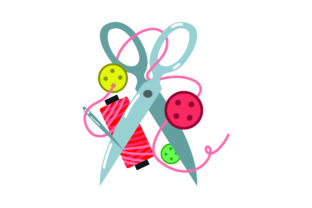
When I first laid eyes on the Tailor Kit Embroidery, I was immediately drawn to its clean, modern aesthetic. The design exudes a sense of simplicity and elegance, making it a perfect fit for a wide range of embroidery projects. As an experienced designer, I'm always on the lookout for designs that can seamlessly blend into both personal and commercial projects, and this one certainly caught my attention.
First Impressions and Visual Personality
The Tailor Kit Embroidery has a minimalist yet charming feel. The layout is well-balanced, with a thoughtful use of space that makes it ideal for various surfaces. The level of detail is just right—not too intricate, which means it won't overwhelm smaller projects, but detailed enough to add a touch of sophistication. This design would be particularly appealing for custom apparel, such as embroidered tote bags or sweatshirts, where a subtle, refined look is desired.
Real-World Performance and Versatility
Let's dive into how Tailor Kit Embroidery performs in real-life embroidery situations. For a recent project, I decided to test it on a custom embroidered tote bag. The design stitched out beautifully, with clear lines and a smooth finish. The satin stitch and fill stitch areas were well-defined, and the overall stitching clarity added a professional touch to the finished product.
For those looking to create personalized gifts, this design would work wonderfully on baby clothes, caps, and even holiday-themed items. The design's versatility also extends to more commercial applications, such as embroidered patches for small business merchandise or Etsy listings. The design's visual appeal and stitching clarity make it a strong choice for enhancing the value and presentation of handmade products.
Practical Considerations and Limitations
While Tailor Kit Embroidery is generally versatile, there are a few areas where it should be used carefully. For instance, when working with small hoop sizes, textured fabrics, or thin, stretchy materials, it's essential to test the design on scrap fabric first. The design's details, especially in dense stitch areas, may not translate well on these surfaces without proper stabilizer and thread color contrast.
Additionally, if you're planning to use this design on dark fabrics or layered garments, take extra care to ensure the design stands out. Dark backgrounds can sometimes make the design less visible, so choosing the right thread colors and stitch density is crucial. For curved surfaces like caps, the design's corners and edges might need some adjustments to maintain their integrity.
Enhancing Product Value and Customer Trust
Using Tailor Kit Embroidery in your embroidery projects can significantly enhance the visual appeal and perceived value of your handmade products. The design's clean and modern look adds a touch of professionalism, which can build customer trust and engagement. Whether you're creating custom apparel, personalized gifts, or small shop merchandise, this design can help you achieve a polished, high-quality finish.
For Etsy sellers and craft business owners, incorporating Tailor Kit Embroidery into your product line can also contribute to brand consistency. The design's timeless and versatile nature makes it a reliable asset for maintaining a cohesive and recognizable style across your offerings.
Final Designer Notes and Tips
Before using Tailor Kit Embroidery in your next project, here are a few practical tips:
- Test on Scrap Fabric: Always start by testing the design on a scrap piece of the same fabric you plan to use. This will help you identify any potential issues with stitch density, thread tension, or fabric compatibility.
- Check Thread Color Contrast: Ensure that the thread colors you choose provide good contrast against the fabric. This is especially important for dark or textured fabrics.
- Review Stitch Density: Adjust the stitch density if needed, particularly for dense areas, to ensure the design looks clean and professional.
- Confirm Hoop Size: Make sure the design fits within your hoop size. If you're working with a small hoop, consider breaking the design into sections or resizing it appropriately.
- Inspect Small Details: Pay close attention to small details and corners, especially on curved surfaces like caps. Adjustments may be necessary to maintain the design's integrity.
- Test in Black and White Mockups: Create black and white mockups to see how the design looks without color. This can help you visualize the overall shape and balance.
- Use Proper Stabilizer: Choose the right stabilizer for your fabric type. This is crucial for maintaining the design's quality and preventing puckering or distortion.
- Check Licensing: Before selling finished items or digital products, confirm the licensing terms to ensure you have the right to use the design commercially.
In conclusion, Tailor Kit Embroidery is a well-crafted and versatile design that can elevate a wide range of embroidery projects. With careful consideration and proper testing, it can become a valuable asset in your embroidery toolkit, whether you're creating custom apparel, personalized gifts, or commercial embroidery products.