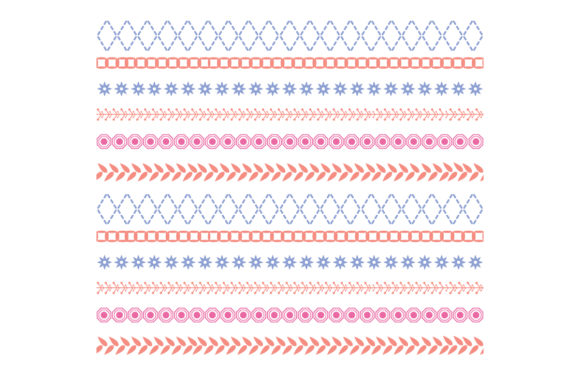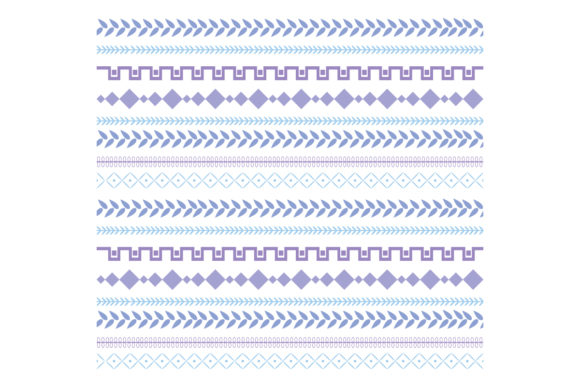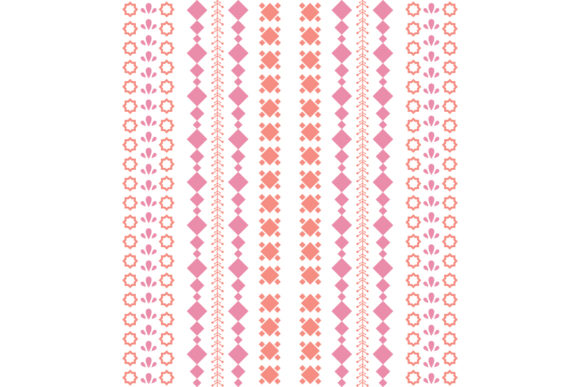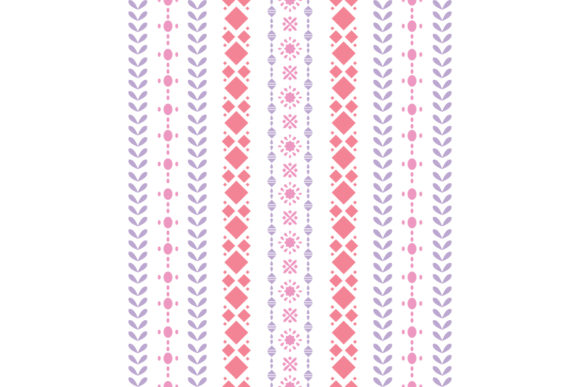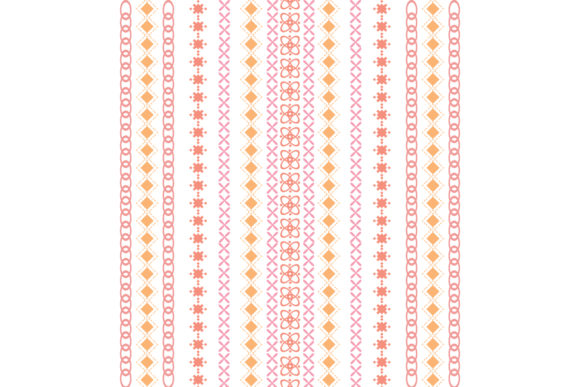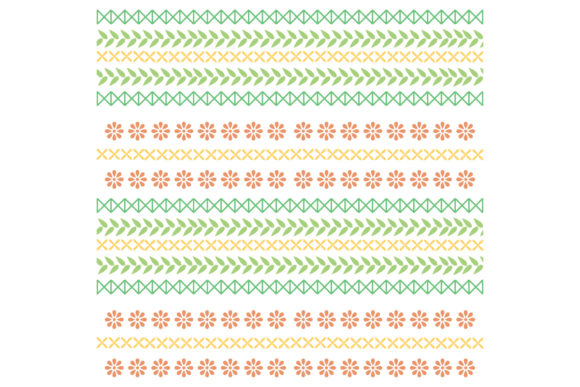
Modern Wall Paper Embroidery Pattern Review
A Bold Design for a Handmade Market Booth
As I prepare my inventory for a weekend craft fair, I evaluate every design with a merciless eye. The Modern Wall Paper Embroidery Pattern immediately stands out as a design with distinct potential. Based on its title, I expect a graphic, contemporary aesthetic—not cute or rustic, but clean, decorative, and sophisticated. This is a pattern built for modern home decor, suggesting it could bring a premium feel to my booth. For handmade shop owners targeting customers who value a curated, stylish look, this design could be a cornerstone piece.
Where This Pattern Performs Best
For craft fair sellers, the choice of product is everything. I imagine my table display: tote bags, aprons, tea towels, pillow covers, and small fabric pouches. Here’s my practical evaluation of where the Modern Wall Paper Embroidery Pattern would shine.
Pillow Covers & Large Statement Items
This pattern’s name implies a repeating, decorative graphic nature. That makes it a natural fit for pillow covers as a large focal design. On a market bag or tote, it would create a bold, artistic statement that customers notice from across the booth. The “wall paper” concept suggests it could be scaled effectively, making it excellent for bigger surfaces where its modern style can fully express itself.
Accent Pieces & Smaller Goods
On smaller items like a cap or a patch, I would be cautious. A “wall paper” pattern might contain dense, intricate details that could lose clarity when reduced to a small size. For a tea towel or an apron, it could work beautifully as a border or a centered panel, especially if the pattern has clean lines that won’t get lost in the fabric texture of a kitchen towel. For fabric pouches or giftable items, a simplified section of the pattern could serve as a elegant, minimal accent.
The Digital Seller Advantage
For Etsy sellers and digital sellers offering the embroidery file itself, this pattern’s graphic nature likely makes for strong, clean printable mockups. It should photograph well for online listings, conveying that modern, decorative mood instantly. This is a significant advantage for attracting customers browsing for design assets.
Practical Production & Selling Points
Turning a digital embroidery file into a sellable craft fair product requires real-world thinking.
Ease of Understanding & Customer Attention
At a bustling fair, customers decide quickly. A modern, graphic design like this should be visually clear at a glance. It doesn’t rely on a joke or sentiment; it sells on style. This can command attention and elevate the perceived value of a handmade product, making a simple tote bag feel like a designer accessory. It reinforces brand consistency for a boutique maker focused on contemporary home decor.
Batch Production Considerations
Is this design repeatable for batch production? If the pattern is well-spaced and not overly complex, it could be efficient for making multiple pillow covers or tote bags. However, I must consider stitch density. A dense “wall paper” fill could mean longer machine embroidery times and higher thread consumption, affecting my cost and time. I always advise: test the design on scrap fabric first.
Critical Embroidery Designer Notes
- Test on Scrap: Before committing to a batch, hoop a size on actual product fabric—a canvas tote, a linen pillow cover, a textured towel.
- Check Thread Contrast: A modern design often relies on sharp contrast. Test on both light and dark fabrics to ensure it pops.
- Review Hoop Size: Confirm the embroidery file is sized appropriately for your intended hoop and product. A pillow cover likely needs a large hoop.
- Inspect Stitch Density: Look for tiny details or small lettering that might puckering on thick fabrics or get lost on curved cap surfaces.
- Use the Right Stabilizer: For dense areas or thinner fabrics like for pouches, proper stabilizer is non-negotiable for a clean finish.
- Create a Real Mockup: Always make at least one finished product sample. It reveals photographability and tactile quality.
- Compare Fabric Colors: How does the pattern look on cream, black, or olive? This expands your product line options.
- Confirm Licensing: Before selling finished products, verify the commercial embroidery license terms for the digital file. This is essential for any small shop product.
Handmade Quality & Booth Display Power
For creative entrepreneurs, the final product’s feel is what closes the sale. A well-executed Modern Wall Paper Embroidery Pattern on a premium linen pillow cover can look exceptionally handmade and high-quality. In a booth display, a group of items featuring this cohesive pattern creates a strong visual theme, encouraging buyer engagement. Customers drawn to modern decor will linger, seeing the pattern applied across different items—a tote bag design, an apron embroidery, a tea towel embroidery—which can lead to multiple sales.
An embroidered patch version, if scalable, could be a lower-cost entry point for customers. However, I would prioritize larger applications where the design’s decorative intent is fully realized. The pattern’s name suggests it belongs to a collection, which is a powerful selling point. I can market it as part of a series, encouraging repeat interest.
Final Judgment for Craft Fair Success
The Modern Wall Paper Embroidery Pattern has strong potential for craft fair sellers targeting a modern, style-conscious audience. Its best chance to sell lies on larger statement pieces like pillow covers, tote bags, and market bags where its graphic nature becomes a bold focal point. Production requires careful testing for density and scale, especially on textured fabrics. For online sellers, the design assets likely create compelling listing images.
My key advice is to treat it as a premium design. Use high-quality base products and impeccable embroidery execution to match its modern, decorative promise. It’s not a quick, funny accent; it’s a design that can define a booth’s aesthetic and attract customers looking for something thoughtfully curated for their home. Always, always make that first real sample. Seeing it stitched out is the only way to truly judge its power as a handmade product ready for market.