Craft Fair Strategy: Designing with Hut Embroidery Pattern
As an embroidery designer preparing for a weekend market, every pattern I choose must translate into products that sell. My first impression of Hut Embroidery Pattern Craft is that it leans toward a rustic, farmhouse aesthetic. The word "hut" evokes cozy, handmade, and perhaps a touch of nostalgic charm. This mood is a strong starting point for craft fair products. It feels decorative and soft, not overly bold or modern, which can be a perfect niche for booth shoppers looking for warmth and simplicity.
Where This Pattern Will Stand Out at Your Booth
Imagine your table display: tote bags, aprons, tea towels, pillow covers, and small pouches. Hut Embroidery Pattern Craft would be a clear focal point on natural or linen fabrics. On a market bag, it suggests a story—a getaway, a cozy cabin, a simple life. This narrative quality can grab customer attention more than a generic floral. It feels giftable. A tea towel with this hut design becomes more than a utility item; it’s a little piece of decor for a kitchen.
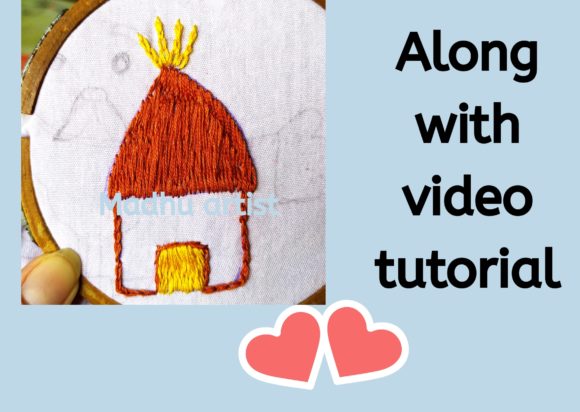
The pattern’s likely simplicity—a single hut structure—means it works beautifully as both a large focal design on a pillow cover and a smaller accent on a cap or patch. For visual appeal and product value, scale it appropriately. A large version on a pillow makes a statement. A smaller, simplified version on a fabric pouch or apron pocket becomes a charming detail that enhances perceived handmade quality.
Production Practicalities for Market Selling
Turning any digital embroidery file into physical products for batch production requires careful planning. The provided hoop size guide is crucial. For a consistent booth display, I recommend creating at least one real mockup on scrap fabric first. Test thread contrast. If the hut has dense areas like roof shading or small windows, stitch density matters. On textured towels or curved cap surfaces, you may need a firmer stabilizer to maintain clarity.
Photographing Your Finished Products for Online Sales
For Etsy sellers and digital sellers also listing online, this design should photograph well. Its likely clean lines and central motif will be clear in listing photos against neutral backgrounds. Creating printable mockups or using the design assets for digital previews can help, but a photo of a real embroidered tote bag or apron will always showcase the handmade quality best, boosting buyer engagement.
Consider fabric colors. This rustic design might pop on oatmeal linen, cream cotton, or even a dark fabric if the thread colors are chosen for high contrast. Always check commercial licensing before selling finished products, even with a purchased pattern.
Evaluating the Design for Different Product Types
Let’s break down where Hut Embroidery Pattern Craft performs best and where caution is needed.
Tote Bags & Market Bags: Excellent choice. The scale is right for a bag side. It feels premium and decorative, increasing the bag’s value from a simple carrier to a boutique maker item.
Aprons & Kitchen Towels: Very strong. The farmhouse vibe aligns perfectly with kitchen textiles. Embroider it on the apron bib or towel corner. Ensure the fabric isn’t too thick or textured to distort smaller details.
Pillow Covers: A top contender. This could be your booth’s hero product. A well-executed hut on a pillow cover demonstrates brand consistency if your shop leans toward rustic decor.
Caps & Patches: Possible, but requires adaptation. On a curved cap surface, small lettering or tiny hut details may lose clarity. Simplify for a patch. It could become a unique selling point for a niche audience.
Small Pouches & Giftable Items: Ideal. Smaller hoop sizes can be used. It’s a quick stitch that feels complete, making batch production for small shop products more efficient.
Critical Designer Notes Before Production
Your craft fair product success hinges on preparation. Here is my practical checklist for using Hut Embroidery Pattern Craft.
- Test First: Always stitch the design on scrap fabric identical to your product fabric. Check for any puckering or thread breaks in dense areas.
- Review Spacing: If the pattern includes elements around the hut, ensure they are spaced well for the product. On a tea towel, you might want a tighter composition; on a tote, a more expansive feel.
- Confirm Hoop Size: The description specifies a hoop size. Adhere to it for the initial test, then explore if it can be scaled down successfully for smaller items without losing integrity.
- Inspect for Tiny Details: Look closely at the provided files. Are there extremely fine lines or small fills? These might require more meticulous stitching and may not be suitable for fast batch production.
- Create a Real Booth Sample: Before the fair, have at least one finished, high-quality product—like a pillow or tote—on your display table. This tangible item draws customers in and lets them touch the quality.
- Compare Fabric Colors: Stitch the design on several fabric color swatches. See which combination elevates the design and feels most "sellable" for your target customer.
The Impact on Your Booth’s Display Strength
Ultimately, Hut Embroidery Pattern Craft affects your entire booth’s vibe. If your products carry this cohesive rustic theme, your table tells a story. A customer might notice the hut design on a pillow, then see it on an apron, and recognize your brand’s style. This repetition across products—without being identical—creates a strong, professional display that encourages buyers to engage with multiple items.
Remember, at a craft fair, customers decide quickly. Your embroidery must be visually appealing at a glance. This hut pattern, with its likely clear silhouette and emotive quality, has that potential. It reads as "handmade" and "thoughtful," which are key selling points in the handmade market. Pair it with quality materials and clean finishing, and it can become a staple in your lineup of commercial embroidery products.
In conclusion, Hut Embroidery Pattern Craft is a pattern with strong commercial potential for the right maker. Its rustic, decorative mood fits a popular niche. By strategically placing it on products where its story shines—like kitchen textiles and home decor—and by meticulously preparing your production process, you can transform this digital download into a profitable, eye-catching part of your craft fair booth and small shop product line.