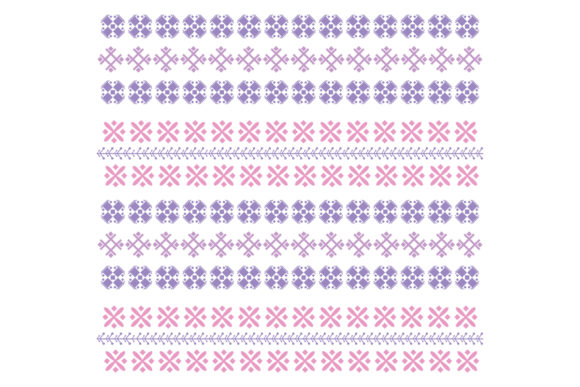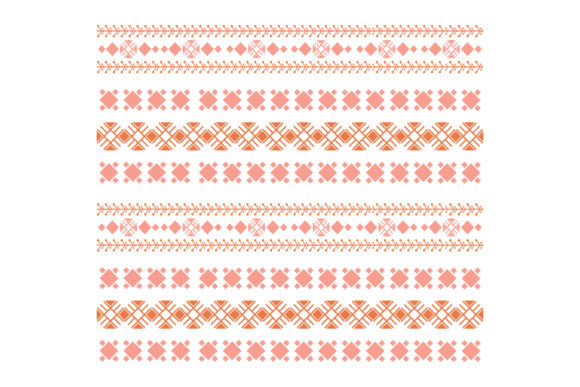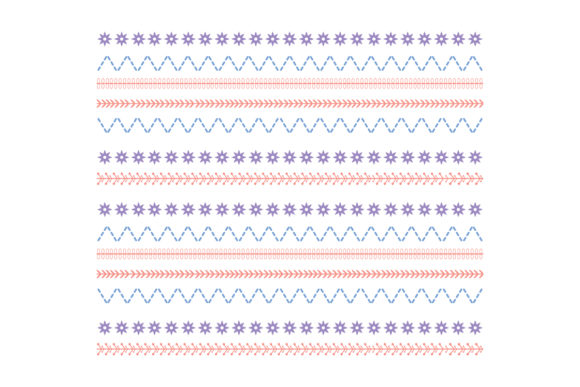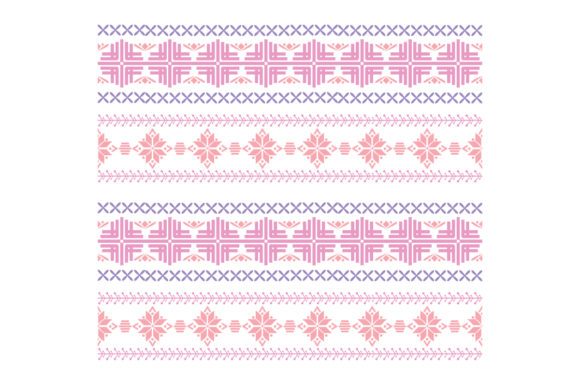
A Cafe Wall Embroidery Design That Feels Like a Warm Welcome
When a design lands in my library for review, my first instinct is to imagine it stitched. Not on a screen, but on fabric, under a hoop, with thread bringing it to life. That’s the real test. So, when I opened the Unique Embroidery Design for Cafe Wall, I immediately pictured it on a canvas tote bag, sitting by a coffee shop counter. The mood it creates is unmistakable: cozy, inviting, and quietly artistic. It’s not loud or overly trendy; it has a timeless, hand-drawn personality that feels like a sketch from a favorite notebook.
This Design’s Natural Habitat: From Totes to Tea Towels
The layout and detail level tell me exactly where it belongs. This isn’t a dense, complex graphic meant for a giant frame. It’s a pattern with a gentle rhythm, perfect for accent pieces. I’d naturally reach for it when a client wants a custom embroidered tote for their boutique, or a set of kitchen towels as a personalized gift. It would shine on a simple cotton sweatshirt, giving it that “carefully made” look without overwhelming the garment. For a craft business owner, this embroidery design is a ready-made asset for creating small shop merchandise that feels thoughtful, not mass-produced.
Think about real-life use. I’m preparing a custom order for a baby’s birthday gift—perhaps a little embroidered blanket or a pillow cover for a nursery. This cafe wall theme, with its friendly and subtle detail, would add a touch of warmth without being too babyish. It translates beautifully into a handmade product because its visual personality is soft and engaging. On an apron for a home baker or a simple cap, it becomes a charming, understated statement.
Where Your Stitching Might Need a Little Extra Care
Every design has its sweet spot and its caution zones. For this particular graphics collection piece, I’d be mindful of scale. On very small hoop sizes, some of the finer illustrative details might lose their clarity if the stitch density is too high. If you’re planning to put it on a stretchy fabric like a thin t-shirt, or a textured fabric like a sweater, a sturdy stabilizer will be your best friend to keep those lines crisp.
Dark fabric backgrounds are another consideration. The design’s charm relies on its linework and subtle shapes. You’ll want to choose thread colors with excellent contrast—perhaps a creamy white or a soft oat color on a navy apron. Test it first. Curved surfaces, like caps, can also present a challenge if the design is too wide or rectangular; a quick test on scrap fabric in a similar curve will tell you if any adjustments are needed before committing to the final product.
How This Embroidery File Adds Value to Your Work
Beyond just looking nice, a design like this affects the perceived value of your finished product. When a customer sees this on a custom apparel item or a holiday gift, the craftsmanship feels intentional. It builds customer trust because it doesn’t look generic; it looks like you selected a design with a specific mood. For an Etsy seller or creative entrepreneur, that translates directly into buyer engagement—people connect with pieces that have a story, even a simple one like a cafe wall.
It aids in brand consistency for a small business. If your shop vibe is “handmade and heartfelt,” using cohesive embroidery designs like this across different products—totes, patches, pillow covers—creates a recognizable family of items. The professionalism comes from the clean execution, not from the design being overly complicated. A well-stitched, well-placed design on a tea towel looks more professional than a poorly stitched, overly intricate one on a jacket.
Practical Notes From the Hoop
Before you load this digital embroidery file and start stitching for a client or your craft fair stock, here’s my routine advice. Always, always test it on scrap fabric first. Use a fabric similar to your final project. This lets you check the stitch density for your machine, see how small details like any tiny corners or accents behave, and verify that the overall size works for your intended hoop.
Review it in both black and white mockups, or simply imagine it on light and dark backgrounds. This helps plan your thread palette. Use proper stabilizer for the fabric type; a design with any fill stitch or satin stitch elements needs good support to prevent puckering. Crucially, confirm the licensing terms for this design before selling finished items or using it in commercial embroidery projects. The product category is patterns and the type is graphics, but the specific license for reselling embroidered products or creating digital product previews should be clear from the source.
Finally, think about the end experience. A design like the Unique Embroidery Design for Cafe Wall, stitched neatly onto a linen apron or a cotton tote bag, isn’t just a decoration. It’s a piece of a story—a suggestion of comfort and creativity. That’s the kind of finished product that doesn’t just sell; it gets cherished and remembered. And that’s the best review any designer can hope for.